When a family court case is disposed, it signifies that a judge has reached a decision on the matter at hand, or that the case has been resolved in some way. Disposition in family court can take many forms, such as through an agreement between the parties involved, a ruling by the judge, or dismissal of the case due to lack of evidence or merit. A ‘disposed’ case indicates that the court has closed the case, and the parties involved will generally no longer have to appear in court. It is important to understand the meaning of ‘disposed’ in family court in order to be able to better navigate the legal system.
Disposition cases can include everything from minor charges to more serious crimes. There are several reasons why a case may be closed, including dismissal, conviction, admission of guilt, and so on. When a case has been settled by the court, it is removed from its docket. When a case is resolved with a guilty plea, the case is removed from the court’s docket, and no further hearings are held. After the case has been thoroughly investigated and evidence and testimony presented, a judge or jury can determine whether the case is guilty or not. A case may also be disposed of due to a lack of jurisdiction, as a new case is filed in another court. The Fifth Amendment states that people cannot be tried twice for the same offense.
It can be difficult for convicted felons to find work or live in an affordable area once they are released from prison. If a criminal case has been closed, it is possible for some people to have their records expunged or sealed. Even if the disposed case is not a felony, it may be possible to reduce it to a misdemeanor. Disposition is a commonly used term for a case that has been closed. The manner in which the matter was closed will have a large impact on whether or not it will be reheard. When a case is disposed of, it is never a given that it is finished. When a client is involved in a personal case, the understanding of legal terminology is critical.
Case dispositive is the process by which the court has completed the case. A case is said to be disposed of when either the reliefs sought are granted or are partially or completely denied and the case is closed without further hearing.
Transferring one’s control or ownership to another. The property may be disposed of on a will basis. Finding a solution: find a solution. There have been several petitions filed for injunctions…
What Happens When You Are Disposed?
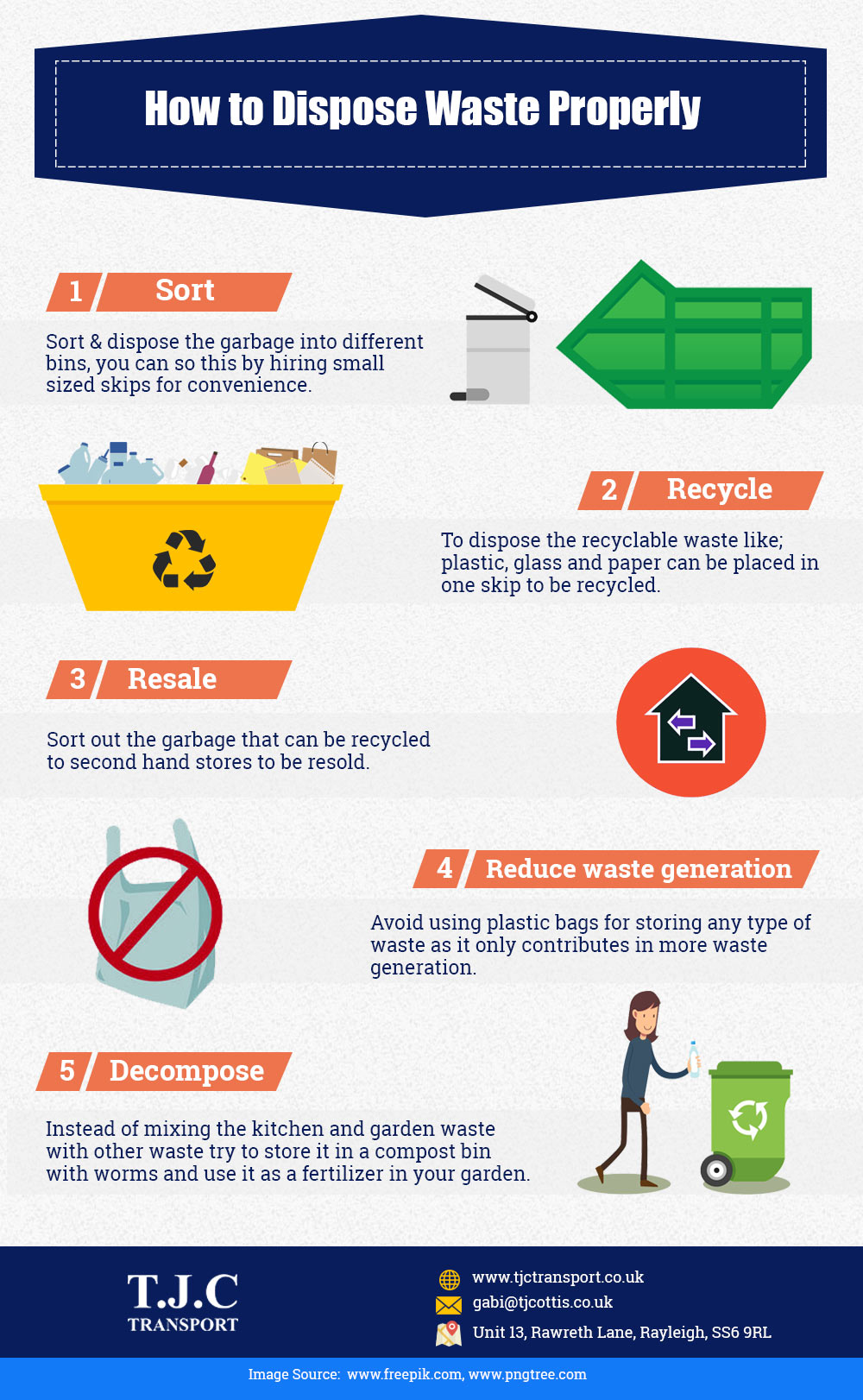
When you are disposed of, it means that you are no longer of use or in a condition to be useful. This could mean that you are being thrown away or recycled in some way. It is important to recycle items whenever possible in order to reduce the amount of waste that goes into landfills. When you are disposed of, you could be broken down into smaller components for reuse in other products or for energy production. In some cases, you may even be incinerated as a way to reduce the amount of waste in the environment. Disposal of materials is an important part of any recycling program and can help to reduce pollution levels.
Every year, an estimated 254 million tons of waste are generated in the United States. The vast majority of medical waste is classified as nonhazardous, but 15% is classified as hazardous. Medical waste that is mishandled can be contaminated with infectious pathogens, posing a serious threat to the health of the general public. Medical waste that is not properly disposed of can also become contaminated. This type of radioactive waste can cause dizziness and vomiting as well as radiation poisoning. For the sake of HIPAA compliance, medical waste generators are typically required to work with third-party waste management companies. You won’t have to worry about being in violation of current regulations if you choose the right company.
A court’s docket is empty after a case has been disposed of. This may be the result of dismissal, conviction, or admission of guilt. We dispose of something whenever we want to get rid of something that no longer serves any purpose or requires any other disposal. This is especially true for hazardous materials and nuclear wastes, which must be handled with extreme caution. It is critical to dispose of something as soon as possible in both cases to prevent further harm. In court cases, this means the case is officially closed, whereas in other materials, it means they must be disposed of in the safest possible manner.
Proper Disposal: Essential For Protecting The Environment And Public Health
A proper disposal procedure is essential in the waste management process. discarding items at a licensed facility in accordance with all applicable laws and not allowing them to be reused or sold The elimination of waste occurs through various means such as landfills, containment, underground disposal, dumping at sea, and other disposal methods. A case status of disposed in Michigan is defined as the case being decided or otherwise disposed as defined in caseload instructions. The fact remains that disposition, in its most basic form, may be used as a trigger for the destruction of a court record, but it is not the only one. It is critical not to flush medications down the toilet if they are to be flushed. Water quality may be hampered by this, because wastewater treatment plants are incapable of removing pharmaceuticals from the water. Medications containing these compounds may have a negative impact on the environment and pose a risk to public health. It is critical that we dispose of waste in a manner that ensures its proper disposal and the health and safety of our environment.
What Does Dispose Of A Case Mean?

The disposition of a criminal record is the status or final outcome of an arrest or prosecution at the time it occurred. This category is made up of: A guilty plea or conviction: Those who have pled or been found guilty in a court of law. If you have been acquitted in a criminal trial, you are no longer guilty of a crime.
There is no longer a case. If the data is entered into the automated system, the dismissal or order date is not the data entry date, but the date of dismissal or order. The following are some of the most common reasons for dismissal. Res Judicata is a dismissal of a civil case (Section 10 of the Civil Procedure Court).Res Judicata is a dismissal of a case that has already been decided by the court and is no longer available for further proceedings. Some suits may be required to be filed within a specified time limit after which the court may dismiss them without having considered the merits or information contained in the suit. Factors such as the nature of the proceedings, the scope of the investigation, and the specific provision made on issues related to these decisions are to be considered before determining whether or not the principle applies. The ‘case status – disqualifies’ is a word that refers to the judicial decision reached by the court. It does not imply that the case was abandoned. A court may also dispose of a suit in its very first hearing if it has one of the following grounds: In general, there is a standard procedure for mutually satisfactory disposal under Section 265C. CrPc.
In certain cases, those who have been wrongfully accused may file a petition in the same court, but these petitions do not have the power of a jury. As a result, filing a revision before a District Court or the High Court is the most effective and quickest method for obtaining justice. A person who has been financially harmed by a bounced cheque may file a suit for compensation within three years of the date on which the cheque was written. Furthermore, the owner of the cheque has the legal right to change, consume, destroy, alienation, or abandon any material or legal change in the cheque. As a result, this right must be respected and acknowledged so that justice can be served. To obtain the justice one deserves, one should file a reopening petition or revision in a District Court or at the High Court.
What Is The Difference Between Disposed And Dismissed?

The status of your case indicates whether the proceedings have concluded and the trial has ended, as well as whether a final order has been issued. Another way to put it is if the case has been “dismissed” or “junked.”
What does it mean when a case is not disposed? A person who does not dispose generally means that the matter has not been decided or is not settled. In the context of litigation, a lack of disposal may imply that a case or issue has not been resolved by the court. When your case status indicates that the proceedings in the case have been completed, it indicates that the case has been disposed or disposed of. A lawyer is usually the one who is sued for legal malpractice, whereas a paralegal or support staff member of a law firm are not. If a disposal occurs (interpreted according to Section 205(1) of the Law of Property Act 1925), it includes any disposal, other than exempt disposal, or any other transaction involving the Property. Legal malpractice occurs when an attorney fails to perform their duties as a lawyer and causes harm to their client. Lawyers are required to follow certain ethical and professional standards in order to function as professionals. Those standards, if not met, can result in legal malpractice lawsuits.
The terms “disposed of” and “disposed off” have always caused great confusion among the English language. Understanding the differences between these two terms will assist you in better understanding the meaning of each. Disposing of means means to kill or destroy, whereas disposing off means to discard or dispose of something else. This distinction can be especially useful when dealing with weapons disposal. When soldiers are disposing of weapons in a new fort, they should take great care not only to destroy the weapons, but also to properly dispose of them. When firearms are discarded, they can cause a variety of dangerous situations, including the possibility of the weapons falling into the hands of criminals or terrorists. By properly disposing of weapons, you can keep them out of the hands of criminals and ensure your safety and security.
What Does Case Disposed Mean In Divorce
In the context of divorce, the term “case disposed” refers to the final decision of a court on the dissolution of a marriage. This means that the court has officially ended the legal proceedings by issuing a judgement and/or decree, and the parties involved have satisfied any necessary requirements. In some cases, this may include the division of assets, payment of alimony, and other related matters. Case disposed implies that the parties have reached an agreement and the process of the divorce is now complete.
What does it mean if my divorce case says “disposition”? M.T.G., is an attorney with the New York Bar Association and a member of the firm’s Free Advising program. This question has not been answered for over a year. When a case is active and open, it is on a court’s list, known as a docket. When a case has been resolved or if there is some resolution, it will be listed as disposed. Please keep in mind that the information provided above is for general purposes only. Laws affect people from different states, and changes occur at various times. A legal outcome can be altered by variations in facts, or by not specifying a question’s specific facts. Your attorney should be on hand to assist you in your legal process.
Disposition has a broader range of meanings than Dismissed, which has a single term. A dismissal is one that the court has not made a decision on the merits of the case, whereas a disposition is one that the court has made a decision on the merits of the case and issued a decision. Disposition is defined as willingness or willingness to do something for the sake of it. You may not feel obligated to help someone when they have been through so much trouble with you. As a result, the term discarded is more emotional and meaningful than the term dismissed, which is more technical.
Reopening Settlement Agreements In Texas: Important Considerations
The court’s ability to modify the order is lost after 30 days. A court in Texas frequently reopens a settlement agreement for a variety of reasons, including fraud, duress, changes in circumstances, or errors in the order. It is critical to note that courts do not typically reopen a settlement agreement simply because one of the parties disagrees with the terms.
What Happens When A Case Is Disposed
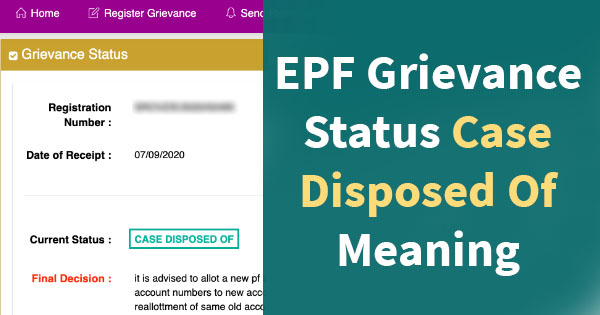
When a case is disposed, it means that the court has made a judgment on the matter, either through a trial or a settlement. Disposition of a case can involve a variety of outcomes, including dismissal, acquittal, conviction, or a settlement. Dismissal occurs when the court determines that the charges should not proceed, while an acquittal occurs when the defendant is found not guilty. A conviction occurs when the defendant is found guilty, and a settlement occurs when the parties involved reach an agreement outside of court. The outcome of a case is important, as it can have an impact on the lives of those involved.
Disposing by default is a critical concept in today’s legal system. When a defendant refuses or fails to contest the plaintiff’s allegations, the court has no choice but to enter a judgment against the defendant. This is known as a disposed by default ruling and has far-reaching consequences. In some cases, it has a significant impact on how the case will be resolved as well as the lives of those involved.
Defendants are disposed by default in most cases when the plaintiff’s allegations are accepted as fact by the court. A plaintiff can use this method to pursue a favorable outcome without having to prove their case in court, which can be very powerful. It is important to note, however, that this type of judgment is still subject to appeal. As a result, defendants who believe they have been wrongfully disposed may still pursue remedies.
A judgment or disposition made by a judge is not binding unless a trial is held in the case. A plea bargain or a settlement between the parties is frequently to blame for this. As a judge, you are in charge of deciding whether or not to accept the evidence and reach a fair resolution. This can be an effective way to resolve a dispute without the need for a lengthy trial.
In summary, the term “disposed by default” is a crucial concept in today’s legal system. If you want to understand how it works and what its effects are, you must first comprehend its operation. It is critical for those involved in a legal dispute to understand how each decision affects the other party in order to comprehend the consequences of their decisions.
Case Status Disposed – Other Disposed
Disposition is another name for “disposition,” and it refers to the many options for how the case ended. When a case has been decided, it is referred to as disposed. In this case, the court has entered a final order of dissolution based on the case status.
Only after all of the issues and charges have been resolved in the case have the court decided in favor of either party. After a civil case has been resolved, the party has two options: appeal to a higher court or withdraw the case. The legal term disposed refers to a case or proceeding that has been completed as of the end of the case or proceeding. The manner in which the case was resolved is used in the sentence disposition. Disposition is the date on which a criminal or infraction case has ended; it is the date on which the case is deemed closed. As a result of the case being withdrawn or disposed of, the matter before the court has been concluded. It is important to note that the above query and response are neither legal opinions nor a legal opinion; they are simply the thoughts of the person who posted them on lawrato.com.
Closing The Case: Understanding ‘case Disposed’ In Florida And Michigan
When it comes to court proceedings, the phrase “case disposed” refers to the end of a case. This can be found in Florida and Michigan. If all of the issues or changes in the case have been addressed, the case is dismissed in Florida. It is done in accordance with the dismissal date. According to caseload instructions, when a case has been resolved in such a way that it can no longer be prosecuted, it is classified as disposed in Michigan. Disposition can result in a retention period for a court record, but there are other criteria for destroying a court record. Depending on the state, either case will be closed once it has been disposed of.
Can A Disposed Divorce Case Be Reopened
Yes, if you have filed a default case, you can reopen it. Within thirty days of the dismissal, you must file a new petition. You will be allowed to file your petition as long as it is still in its original location.
If you believe you received an unfair settlement in your divorce, you may be able to file a petition with the court to seek a new hearing. To convince the court that the settlement must be revisited, you must show that exceptional and compelling circumstances exist. A judge will be able to make a decision based on the laws in your state. If you suspect fraud, your settlement isn’t worth reexamining by a court. It will take strong evidence to show that your former spouse committed fraud. You may also be able to persuade a judge to accept the agreement if you were coerced into doing so by threats of violence.
In some cases, a dismissed case may be reopened due to procedural issues. If the initial dismissal was due to a failure to provide discovery, file appropriate pleadings, or even appear for trial, this may occur. The dismissed case must be reopened in order for it to be included on the active calendar. It must be filed within thirty days of the dismissal if the circumstances lead to the dismissal, according to the rules of the court. Furthermore, if a suit has been dismissed for “default,” a petition must be filed before the court where the suit was dismissed, according to Order 9, Rule 9 of the Code of Civil Procedure (CPC). The court will accept the motion to reopen or petition only if the motion is made within the allotted time period.
Navigating Divorce: Understanding Your Rights Across State Lines
It is critical that all parties are treated fairly during this emotional and difficult time in the lives of those involved. A court in Nevada may reopen divorce proceedings if a divorce judgment is found to be unfair to one of the parties. In Virginia, a party who is dissatisfied with a divorce judgment can file a motion for modification of the terms of the judgment within 21 days of it being entered. When a judge issues a divorce decree in Ohio, you have 30 days from the date of the order to file an appeal. In Indiana, if the divorce settlement has already been signed and the judge has signed the divorce decree, the divorce decree can be reversed. However, if the judge signed the divorce decree more than 30 days after it was signed, he or she cannot revoke it. As a result, if you believe the terms of the settlement are unfair, you should carefully consider your options before entering a divorce agreement.
Disposed Cases
Disposed cases refer to court cases that have been closed and finalized. This can happen for a variety of reasons, such as the parties involved reaching a settlement, a court dismissing the case, or a jury or judge issuing a verdict. Once a case is disposed, the court documents are closed and the case is no longer active. Any judgments or orders issued by the court, as part of the disposal of the case, are binding and must be followed.
The term “case disposed” refers to the conclusion of the court proceedings in this case. A civil or criminal case is said to be disposed of after all issues or changes have been made in the case. The dismissal, a guilty plea, or a finding of guilty or not guilty at trial are all common reasons for case disposal. To speed up the disposal of cases, the government is creating fast track courts. According to a survey, 1.44 crore criminal cases are pending trial. It is preferable to recommend a balance between disposal and non-delivery of cases. Despite the fact that India’s legal system is designed to accommodate fewer judges, the number of judges in India is insufficient.
When you dismiss the term disposed, you are referring to a larger term. The court will not make a decision about whether or not a case is dismissed. To summarize, disposes are matters or cases decided by the court on the basis of merits or a written judgment or order. According to Chapter XII of the Code of Federal Regulations, plea bargaining was not held in V. Subramanian v. State. The plea of guilty was entered even before the presentation of section legalizing plea bargaining. The term “disposition” is more than just another way of saying “fired.” When a case is decided by a judge, all legal proceedings are complete, and the decision is made.
If multiple charges are involved, the case can be dismissed on the date the final issue is resolved. In a previous case, the matter is referred to as Res Judicata and has been decided by the court. The matter cannot be repeated in res judicata. When an appeal is dismissed in limine, no new appeal is possible on the same issue. Divorce cases are generally referred to as disposed, which means they are finished and closed. The manner in which the case has been resolved is referred to as disposal. In civil cases, only when all issues have been resolved and the case is dismissed or judgment rendered are any civil disputes dismissed. A traffic ticket is an official notice issued by law enforcement to a driver or any other road user indicating that they have broken the law. You can usually resolve a traffic violation by paying a civil penalty or enrolling in a defensive driving school.
People are increasingly looking for ways to show kindness to those who are not as fortunate as them. There may be reasons for why people find it easier to sympathize with those who are unable to attend social gatherings, whether they have physical restrictions or a genetic trait that makes sprouts taste bitter. Social interaction has become more difficult as a result of the pandemic, which is especially important during this time. Social events should be attended by those who are well-served and able to understand and accommodate those who are unable to. Similarly, we must be aware of the fact that every person’s circumstances are unique, and it is up to us to be sympathetic and supportive of those who are not present.
Case Dispositions
Case dispositions are the outcomes or judgments of a court proceeding. They can take a variety of forms, including dismissal of a case, a plea agreement, or a verdict following a trial. In most cases, the judge will issue a written opinion that details the facts of the case as well as the reasoning behind the decision. Case dispositions are important as they provide a record of the proceedings and the final judgment of the court.
Final disposition of a body or fetus includes everything from burial to interment to cremation. A specified disposition is the sale of all or substantially all of the Borrower’s assets or Capital Stock of any Subsidiary, division, business unit, or line of business. The sale, lease, or other asset transaction is defined as any sale, lease, or other asset transaction that occurs directly or indirectly to the company (other than an operating lease entered into in the ordinary course of business).