Litigation refers to a process whereby a case is brought before a court of law. It is the process by which a civil lawsuit is initiated and pursued. In order to initiate a civil lawsuit, a plaintiff must first file a complaint with the court. The complaint must allege that the defendant has committed some wrong that has resulted in injury to the plaintiff. Once the complaint is filed, the court will issue a summons, which is a document that orders the defendant to appear before the court to answer the complaint. If the defendant fails to appear, the court may enter a default judgment against the defendant. Once the defendant appears, the parties will engage in discovery, which is the process by which each side obtains evidence from the other side. After discovery is complete, the parties will file motions with the court. The motions will request that the court take some action, such as dismissing the case or finding in favor of one party or the other. Finally, the case will go to trial, where a jury will decide the outcome.
The primary focus of background checks and due diligence is criminal litigation, but civil litigation is also frequently used at the state and federal levels to settle disputes between individuals and organizations or to recover monetary settlements.
When one person (the ‘plaintiff’) sues the other (the ‘defendant’) in court for a claim related to money, a dispute, enforcing a contract, or getting divorced, the case moves forward.
I want to introduce you to the court. Civil (non-criminal) cases are handled in the County Court. The civil court system, unlike the criminal system, is used to resolve disputes between individuals and businesses who believe their rights have been wrongfully infringed.
Before you begin a civil case, you must understand what it is and what it is all about. In civil litigation, a criminal defendant is not charged with any crime. Two or more parties are unable to reach a settlement without outside assistance in this case.
Is Litigation The Same As Civil?

Litigation is the process of bringing a legal claim against someone, while civil refers to the area of law that deals with disputes between private parties. In other words, litigation is the process of taking someone to court, while civil law is the body of law that governs disputes between individuals.
The Difference Between Civil And Criminal Law
What’s the difference between criminal and civil law? Criminal law is the law of the state, whereas civil law is the law of individuals.
What Are Related To Civil Cases?
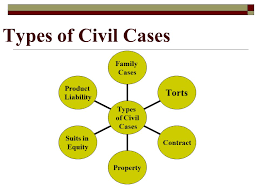
There are many things that can be related to civil cases. These can include, but are not limited to, property damage, personal injury, breach of contract, and more. In civil cases, it is up to the plaintiff to prove that the defendant is liable for damages. This is done by presenting evidence to the court. The court will then decide if the defendant is liable and, if so, how much the plaintiff is owed.
In countries that follow the European Convention on Human Rights, civil law is a system of law. According to the Convention, all people have the right to a fair trial, to be treated fairly, and to own property. The court decides civil cases, which are decided by a judge who looks at the facts of the case and decides how much punishment, if any, should be imposed on the person involved. A monetary punishment, such as in a case where a person sues a plumber for poor work, or a more serious one, such as in a case where someone is accused of a crime. A system of civil law is based on the concept of fairness, according to civil law. As a result, the defendant and the plaintiff in a Civil Law case are treated the same way. This is necessary because it ensures that all parties in a case have the same chance of achieving the best result possible.
Is Filing A Civil Lawsuit Worth It?
When deciding whether to file a civil lawsuit, it is critical to consider the possible costs and benefits. When you file a lawsuit, you may have to pay legal fees as well as court costs. Damages in civil lawsuits are frequently financial, such as those suffered by the plaintiff as a result of the defendant’s actions. A lawsuit may also provide benefits such as obtaining a desired outcome, such as obtaining monetary compensation or changing defendant behavior. Filing a lawsuit can encourage other people to pursue similar actions, which could result in a more vigorous legal system.
What Are The Two Sides In A Civil Case Called?

In a civil case, the two sides are called the plaintiff and the defendant.
A criminal case is brought against the person being sued by someone else. In a criminal case, the defendant typically serves as the judicial officer, hearing and determining issues that will arise in civil court before and after the trial. In a criminal case, the person who is considered the plaintiff is the first to present evidence. In criminal cases, the defendant has the right to file rebuttal evidence after the plaintiff has completed his or her presentation. The parties present their closing arguments after all evidence has been presented.