The National Labor Relations Board (NLRB) is a federal agency tasked with protecting the rights of employees to unionize and bargain collectively. NLRB cases often involve complex legal issues that must be addressed in order to protect the rights of employees. As such, when NLRB decisions are challenged, the cases can be taken to the court of appeals. This article will discuss why NLRB cases go to court of appeals and the types of issues that may be addressed in such cases. It will also discuss the process for appealing an NLRB ruling and the potential consequences for employers and employees. Finally, it will consider the implications of NLRB cases being taken to court of appeals for labor relations and employee rights.
Several recent National Labor Relations Board appeals demonstrated the value of sticking to your argument from beginning to end. In a decision published in May, the District Court of Columbia Circuit reversed an NLRB determination about which unit of a Chicago hotel should be bargaining for. The union prevailed after a vote in both units following Davidson Hotel Company v. In a lawsuit filed against the National Labor Relations Board, Davidson Hotel claimed that two bargaining units were certified for union representation without the hotel’s consent. The DC Circuit followed the well-worn path in applying the well-worn rule that the National Labor Relations Board must explain why it certifies bargaining units. The Court was particularly irritated by the fact that the Davidson Hotel decision was in direct violation of two Board decisions. Local 91 operated a hiring center as the union was opening new positions. Local 91 was charged with unlawfully threatening to file internal union charges against a union member after the union’s national council voted to expel the union member. In a reversal, the National Labor Relations Board determined that Local 91 had violated the Act on the third retaliation claim.
Appeals to the appropriate U.S. Court of Appeals are frequently requested, with the final decision rendered by the U.S. Supreme Court.
If either the employee or the employer disagrees with the decision and believes that it should be different, they have the right to file an appeal.
Where Are Nlrb Decisions Appealed To?

Decisions made by the National Labor Relations Board (NLRB) may be appealed to the United States Court of Appeals for the District of Columbia Circuit. This court’s jurisdiction is limited to reviewing the rulings of the NLRB for legal errors in compliance with the National Labor Relations Act. In cases where the NLRB has issued a final order, parties may file a petition for review with the court within 60 days of the NLRB’s decision. The court then reviews the NLRB’s decision to determine if it was made in accordance with the law. If the court finds that the decision was not in compliance with the law, it may reverse or modify the NLRB’s ruling.
The National Labor Relations Board (NLRB) incorrectly interpreted the Wright Line burden-shifting standard when determining that an employee was wrongfully terminated, in addition to incorrectly interpreting Weingarten rights. In another unusual decision, the court overturned some witness credibility findings made by the Administrative Law Judge (ALJ) after an unfair labor practice trial. The manager responded by saying, “You know what, maybe we don’t need you anymore.” An unfair labor complaint was filed after an employee filed unfair labor charges. An administrative law judge found in court that the employer had committed a violation of the National Labor Relations Act. The Court overturned the Weingarten violation finding after hearing the appeal. The employer had no reason to believe that the medical reports had been tampered with. The court dismissed the claim that the manager had threatened the employee at a safety meeting. There was a decision to overturn the witness’s testimony and vacate the related unfair labor practice finding.
This is a critical step toward ensuring that those who have been discriminated against by unfair labor practices are protected and that the Board’s decision is enforced. Those affected by the decision may seek review of the Board’s final order in the appropriate court of appeals in order to ensure that the Board’s decision is upheld and that justice is served. It is critical for employers to be held accountable for their actions and to protect the rights of those affected by unfair labor practices if the Board has the right to review its final order. An appeals court plays an important role in these cases, and all parties should have an opportunity to review the final order and ensure that justice is served.
Securing Employee Rights: The Nlrb’s Impact
The National Labor Relations Board (NLRB) is a federal agency that is independent of Congress and serves as a watchdog for employees’ rights to form, join, and assist labor organizations in engaging in collective bargaining, and to participate in other activities that improve their working conditions. The National Labor Relations Board (NLRB) enforces the National Labor Relations Act (NLRA), which prohibits certain types of unfair labor practices by employers and unions. The National Labor Relations Board employs a variety of methods to ensure that its decisions are carried out. The National Labor Relations Board has the authority to issue decisions and final orders in cases of alleged unfair labor practices. Following the final order has been made, any individual who was harmed by it can appeal it to an appropriate United States Court of Appeals. If no exceptions are filed, the judge’s order becomes the Board’s order, which is binding precedent in other cases. The second factor is that the National Labor Relations Board typically takes seven to fourteen weeks to make a decision on the merits of charges. After the Regional Director has made a decision, the parties usually resolve their differences, withdraw their funds, or dismiss the case. The National Labor Relations Board is dedicated to ensuring that employees’ rights are protected by enforcing the National Labor Relations Act. In addition to making decisions and reviewing processes, the National Labor Relations Board ensures that employees’ rights are respected and that employers adhere to the National Labor Relations Act.
How Long Does An Nlrb Appeal Take?

Appeals to the National Labor Relations Board (NLRB) typically take anywhere from several weeks to several months to process. The amount of time it takes to resolve an appeal depends on the complexity of the case, the number of parties involved, and the availability of NLRB resources. Prior to filing an appeal, NLRB staff will usually work with both parties to try and reach a resolution, but if this is not successful, the NLRB will then proceed to a hearing. The NLRB hearing officer will then review the evidence and issue a decision, which can either be appealed or accepted.
Navigating The Nlrb Appeal Process
An independent federal agency, the National Labor Relations Board (NLRB), enforces the National Labor Relations Act, which protects employee and employer rights. The process of appealing to the National Labor Relations Board is critical for both employers and employees. When a charge is brought to the National Labor Relations Board, it usually takes between seven and fourteen weeks for an official decision. The procedure may take longer in some cases. Each year, the Board makes several hundred decisions, which may be appealed to the U.S. Court of Appeals. If the National Labor Relations Board deems an election necessary, an election will be held, and the regional office will hold a post-election hearing to resolve challenges to voters’ eligibility and objections to the conduct of the election or any other matter affecting the results. Furthermore, within 14 days of receiving the complaint, the respondent must file an answer. It is critical that both employers and employees understand the National Labor Relations Board’s (NLRB) process and filing appeals.
What Happens At An Nlrb Hearing?
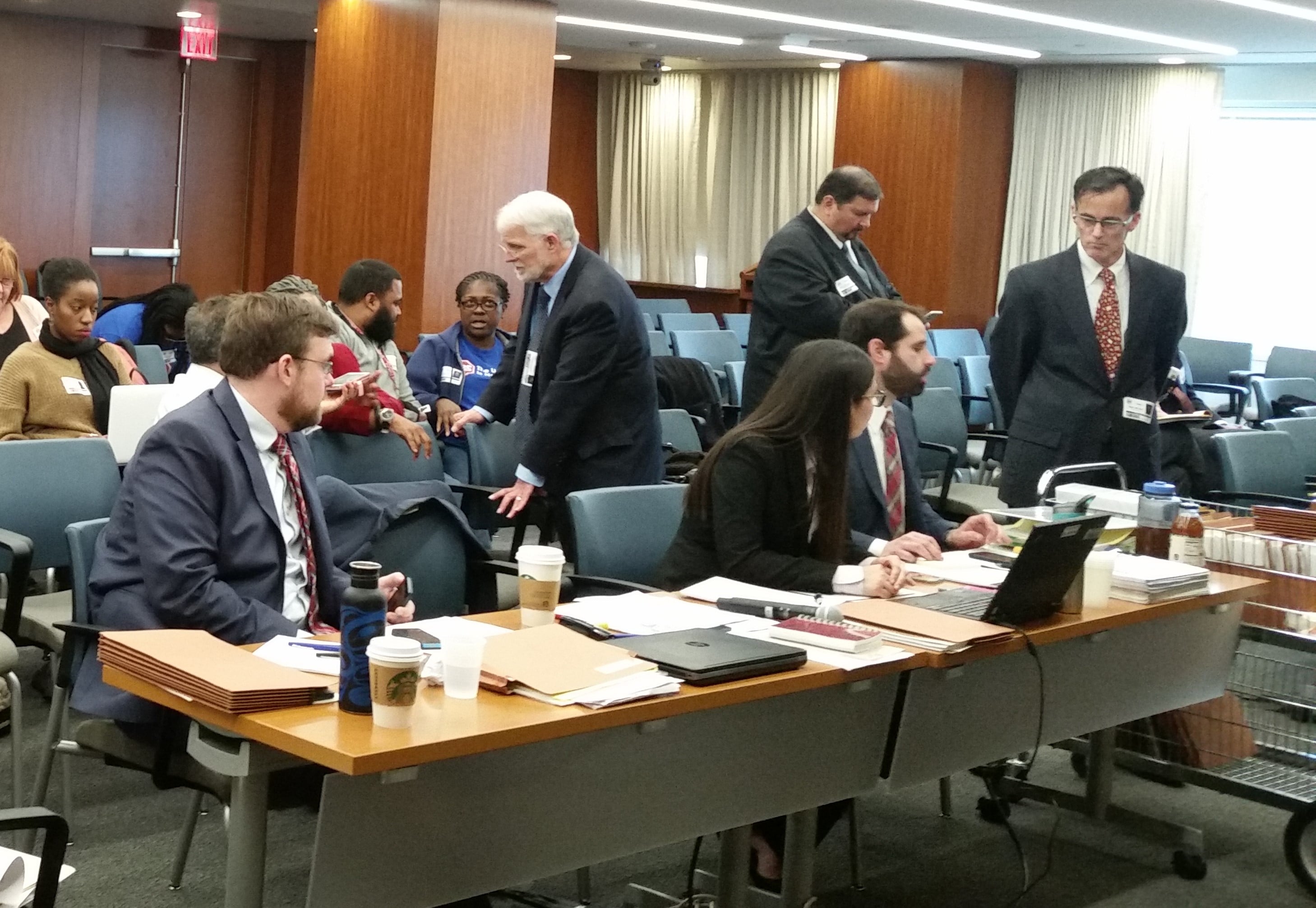
A post-election hearing is held at the regional office of the National Labor Relations Board to resolve issues such as whether eligible voters are denied the right to vote or if the conduct of the election or election results affects the vote.
Ensuring Worker Protection: The Nlrb Process
The National Labor Relations Board (NLRB) enforces the National Labor Relations Act (NLRA) as part of its independence. The National Labor Relations Board is in charge of investigating and addressing unfair labor practices, as well as organizing and holding collective bargaining and union representation elections. When the National Labor Relations Board files a complaint against an employer, it is the first step in holding them to account for their actions. To ensure that workers’ rights are protected, the National Labor Relations Board conducts a wide range of investigations into a variety of labor issues, including possible unfair labor practices. When an employer, union, or other party reaches an agreement with the National Labor Relations Board, an agent from the agency will draft a balloting schedule, time, and place, as well as the ballot language(s), the appropriate unit, and the method for determining who should be allowed Travel, time and attendance, workers’ compensation, and ethics violations are all examples of fraudulent activity that the National Labor Relations Board (NLRB) investigates. The Office of the Inspector General (OIG) in the Department of Homeland Security conducts investigations into whether non-NLRB employees commit fraud against the government or engage in contract fraud. In general, the National Labor Relations Board is in charge of ensuring that employers follow the National Labor Relations Act, as well as protecting their employees from harm or fraudulent activity. The National Labor Relations Board (NLRB) has a lengthy procedure, but it is critical that employees’ rights are protected and that employers are held accountable for their actions.
Appeal Nlrb Decision
An appeal of an NLRB decision is a process in which an individual or organization can challenge the ruling of the National Labor Relations Board. The process of appealing involves filing a written request with the NLRB, which must include a statement of the reasons for the appeal. The NLRB will then review the material submitted and issue a written decision. If the appeal is successful, the NLRB’s decision may be overturned or modified. It is important to note that the NLRB cannot reverse an employer’s decision if it is found to have been made in good faith. An individual or organization wishing to appeal an NLRB decision should consult an experienced attorney to ensure that their rights are protected throughout the process.
Famous Nlrb Cases

The National Labor Relations Board (NLRB) is responsible for protecting the rights of employees to organize, join or assist labor organizations, and to bargain collectively through representatives of their own choosing. The NLRB has handled a number of high-profile cases over the years involving some of the biggest companies in the United States. For example, the NLRB was involved in the case of the Boeing Company, which was accused of retaliating against employees for attempting to organize a union. The case was eventually settled, with Boeing agreeing to reinstate the employees and to provide back pay. Another important case was the one involving McDonald’s Corporation, where the NLRB alleged that the company had violated workers’ rights by interfering with their attempts to form a union and by intimidating them. Ultimately, McDonald’s was ordered to pay $3.75 million in back pay and damages. These are just a few of the many cases that the NLRB has handled in its effort to ensure that workers’ rights are respected.
The Lasting Impact Of The Nlra: Protecting Workers And Empowering Collectivity.
Despite the fact that it appears to have failed to increase private sector unionization since the 1950s, the National Labor Relations Act (NLRA) has long been regarded as a successful piece of legislation. Workers have been able to negotiate collective bargaining agreements with their employers, earning higher wages and working conditions, as a result of industrial peace achieved through the National Labor Relations Act. Workers, according to the Supreme Court in National Labor Relations Board v. J. Weingarten, Inc., are entitled to request a union representative when they are being interviewed by their employer. The case, in particular, has allowed employees to participate in collective action in order to improve their working conditions. The National Labor Relations Board also publishes a large number of reports to the public, including information about casehandling, the Agency’s performance, the Freedom of Information Act, and the Office of the Inspector General. The National Labor Relations Act has had a significant impact on American labor history over time. The National Labor Relations Act has been essential in protecting employee rights and in facilitating collective bargaining and improving working conditions. Workers will continue to be protected and empowered at work as a result of the National Labor Relations Act.
Recent Nlrb Decisions
Recently, the National Labor Relations Board (NLRB) has made several decisions that have impacted the rights of workers. In August 2019, the NLRB ruled that employers must allow workers to discuss their wages and working conditions with each other, protecting workers from employer retaliation for discussing wages and working conditions. Additionally, the NLRB has made decisions related to the use of social media by employees and the classification of employees as independent contractors, among other topics. The NLRB has also announced plans to make it easier for employees to form unions and engage in collective bargaining. These decisions are important in protecting the rights of workers and allowing them to negotiate better working conditions with their employers.
Celebrating 85 Years Of The Nlra: A Successful New Deal Legislation
The National Labor Relations Act (NLRA), which was passed in 1935, is widely regarded as one of the most significant pieces of New Deal legislation. The National Labor Relations Board (NLRB) was established in this act, and it gave employees the right to join or form labor unions, bargain for collective bargaining, and engage in other activities for mutual benefit or protection. The National Labor Relations Board currently has five members, a General Counsel, and an election of the President, with the Senate consent. It is mandatory to appoint a member of the Board for a five-year term and a member of the General Counsel for a four-year term.
The goal of the NLRA has been to achieve industrial peace. Employees are protected from unfair labor practices under the National Labor Relations Act, and they can freely choose whether or not to join a union or negotiate collectively. The National Labor Relations Board, which enforces the National Labor Relations Act, typically makes a decision on the merits of a charge within seven to fourteen weeks. Some cases may take much longer. The parties in this case usually resolve charges by withdrawing, dismissing, or dismissing them from court.
Overall, the NLRA has been a successful tool for employees in terms of giving them the right to seek better working conditions and representing themselves without fear of retaliation. It has also succeeded in its goal of industrial peace, making it one of the most successful pieces of legislation from the New Deal.
Nlrb Complaints
The National Labor Relations Board (NLRB) is an independent agency that administers and enforces the National Labor Relations Act (NLRA). The NLRA protects the rights of workers to form and join labor unions, to bargain collectively with employers, and to engage in other protected concerted activity. The NLRB also handles complaints filed by employees or employers alleging violations of the NLRA. The types of complaints may include allegations of unfair labor practices, such as a refusal to bargain, or that an employer has illegally discriminated against an employee for their union activities. Employees may also file complaints alleging that their employer has interfered with their rights to join a union or engage in other protected activity. The NLRB investigates complaints and provides relief to employees when it finds any violations have occurred.
Navigating The Nlrb Complaint Process
The process of filing a complaint with the National Labor Relations Board (NLRB) begins when a complaint is filed. Following that, the National Labor Relations Board is in charge of investigating any fraudulent activity, such as travel, time and attendance, workers’ compensation, or ethics violations, for the charging party. Unless a settlement is reached, the complaint will be heard by an administrative law judge of the National Labor Relations Board. If a settlement cannot be reached, the National Labor Relations Board (NLRB) will investigate any violations of the National Labor Relations Act (NLRA) that may include promising benefits to employees to discourage them from supporting the union, transferring, laying off, terminating, assigning employees more difficult work When filing a complaint with the National Labor Relations Board, it is critical to understand how to file one as well as the rights and processes associated with it.
Nlrb Unpublished Decisions
NLRB unpublished decisions are decisions made by the National Labor Relations Board (NLRB) that are not officially published and made available to the public. These decisions generally involve cases that are too small or too specialized to be of significant public interest. However, these decisions can still be used as precedent in future NLRB proceedings. Unpublished decisions are typically only available through the Freedom of Information Act, or through an attorney representing a party in the case.
Nlrb: The Power To Resolve Workplace Disputes
The National Labor Relations Board (NLRB) makes important decisions that employers and employees may find difficult to ignore. It is a federal agency that investigates and rules on workplace labor disputes and is part of the Department of Labor. When there is a dispute, the National Labor Relations Board appoints an administrative law judge to preside over the case and make a decision. If no exceptions are filed, a judge’s order becomes the Board’s order. Other decisions, on the other hand, are not binding legal precedent unless they are adopted by the Board on a review of exceptions. Every year, the Board makes several hundred decisions, which are then appealed to an appropriate U.S. Court of Appeals and, ultimately, to the U.S. Supreme Court. Furthermore, if the employer or union creates a hostile work environment in order to interfere with an employee’s right to choose, the National Labor Relations Board has the authority to invalidate a certification election. Finally, the National Labor Relations Board is a powerful federal agency with the authority to investigate and rule on workplace labor disputes. The National Labor Relations Board may decide to appeal decisions made by it to the higher courts, and in certain circumstances, the Board may invalidate certification elections.